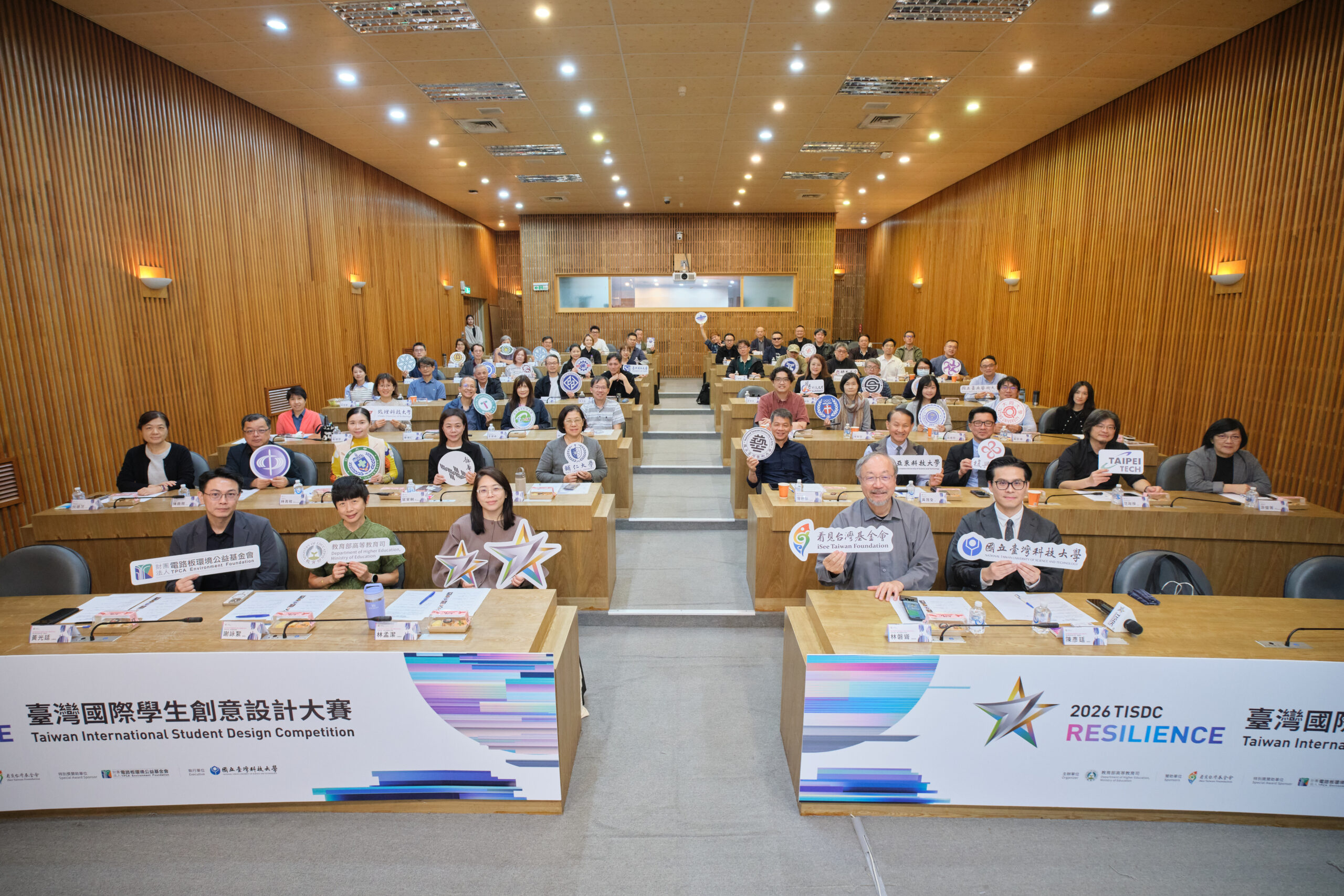

2026 TISDC Expert Consultation Meeting
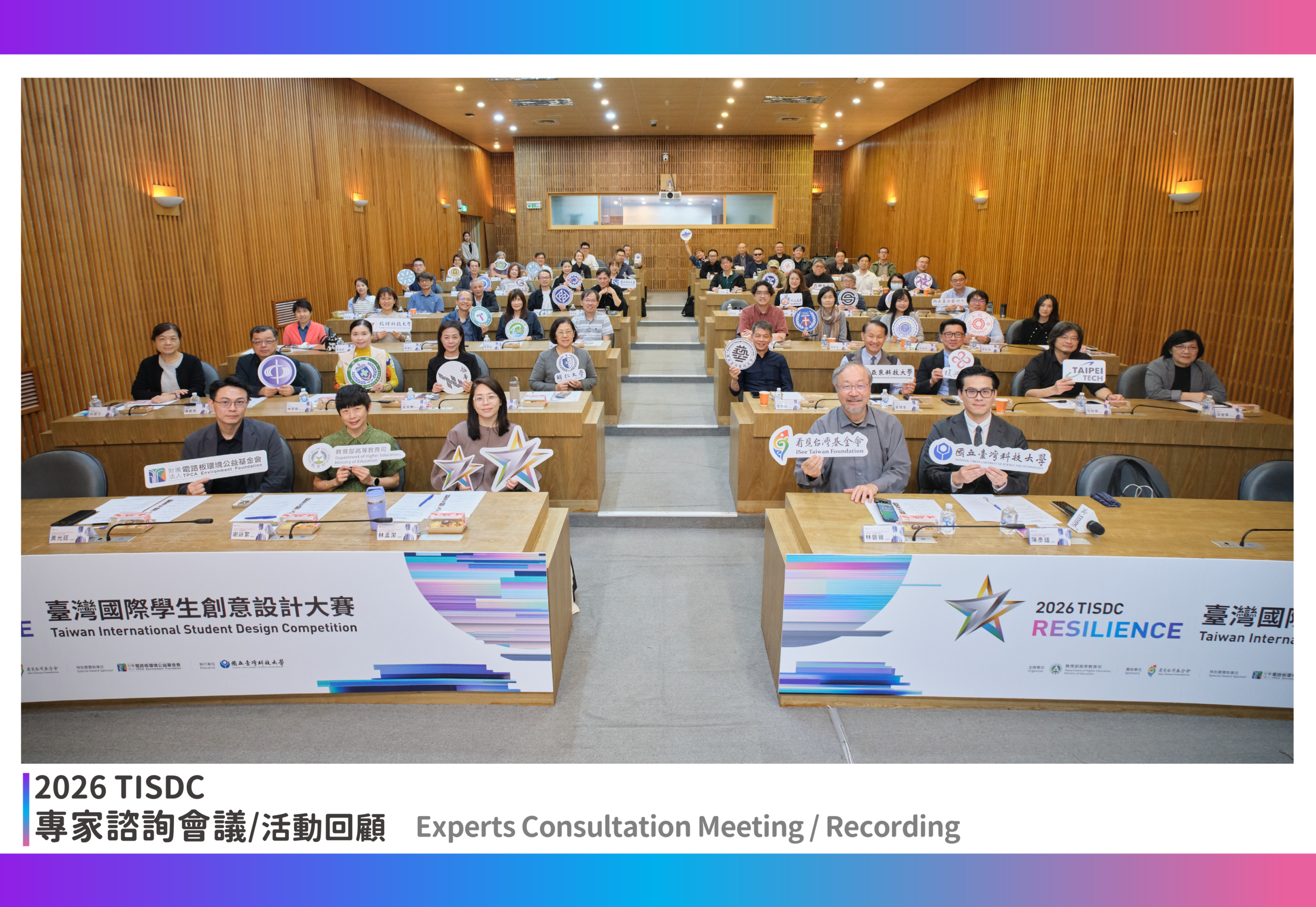
The 2026 Taiwan International Student Design Competition (TISDC), organized by the Department of Higher Education of the Ministry of Education and implemented by National Taiwan University of Science and Technology, held its Expert Consultation Meeting on March 24 (Tuesday). The meeting brought together experts, scholars, and professors from design-related disciplines across universities and colleges in Taiwan, with participation from nearly 40 institutions. Discussions focused on the positioning of this year’s competition theme, institutional planning, and overall development direction, serving as a key reference for the subsequent implementation and optimization of the competition.
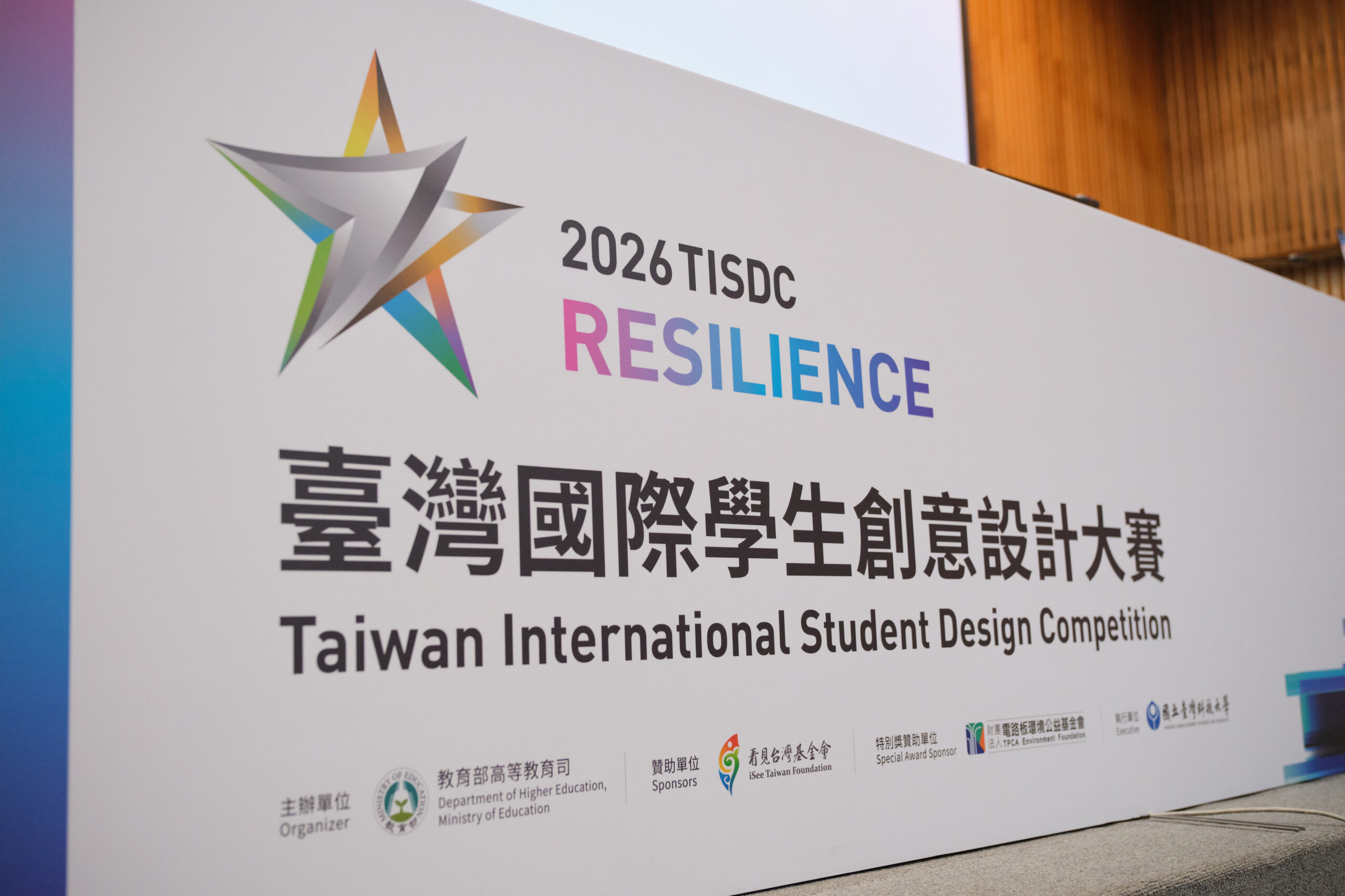
The 2026 competition theme is set as “RESILIENCE.” This theme responds to the multiple challenges facing the world today, including climate change, rapid technological advancement, social transformation, and geopolitical uncertainties. Design is no longer merely a tool for problem-solving; it has become a critical driving force for adapting to change, responding to dynamic environments, and reshaping the future. The meeting focused on diverse interpretations of “resilience” in contemporary design, encompassing environmental sustainability, technological applications, human-centered care, and social innovation. It aims to guide participants to address complex issues through interdisciplinary perspectives and propose forward-looking and practical design solutions.
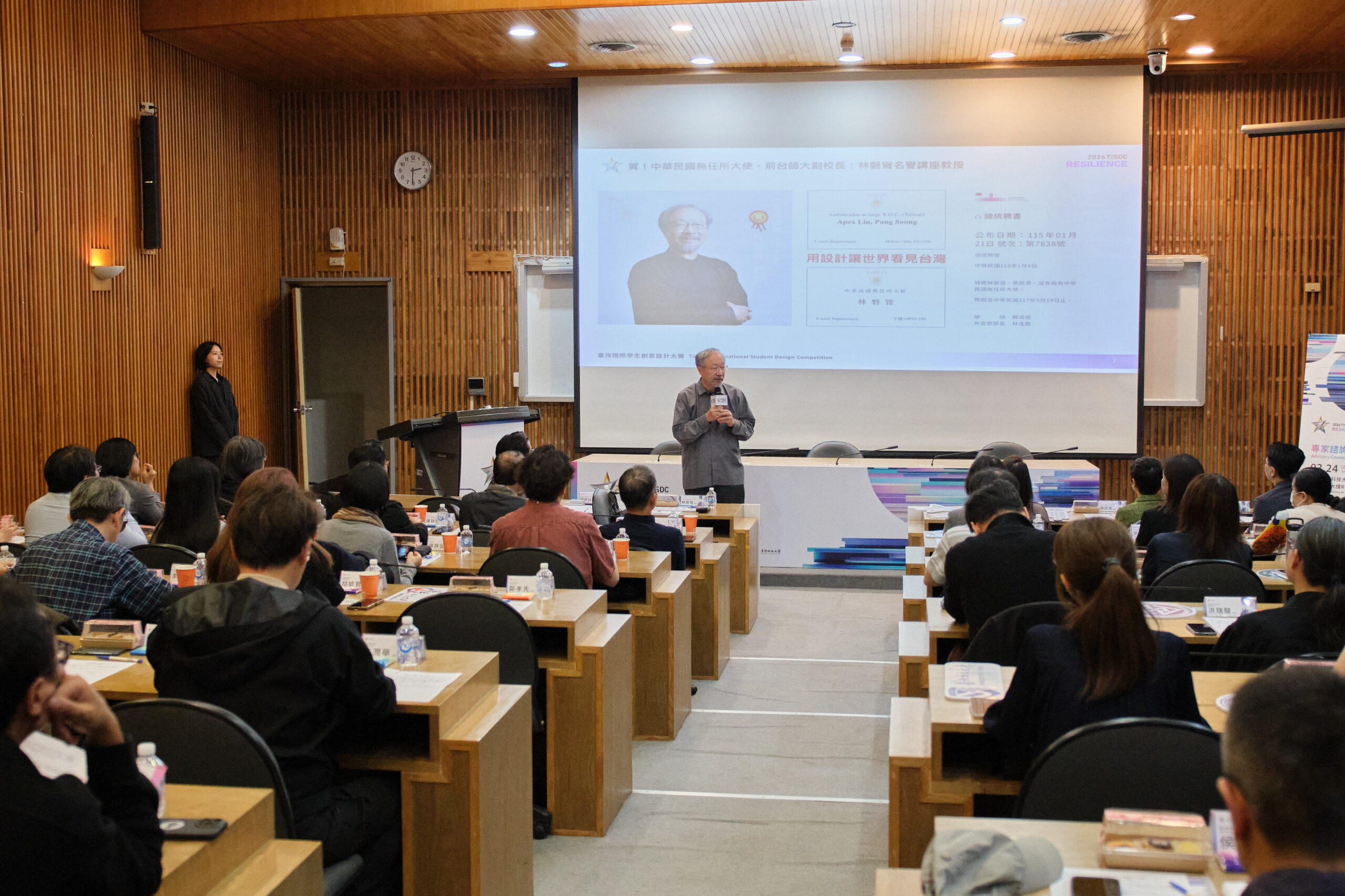
Project Director Yen-Ting Chen noted that the Taiwan International Student Design Competition has long been committed to establishing an internationally influential design platform, continuously attracting global youth participation and fostering cross-cultural creative exchange. As global design trends evolve, the competition also continuously refines its thematic direction and institutional framework to respond to contemporary societal needs. It further encourages students to bridge design education with practical application, strengthening the role and value of design in social development.
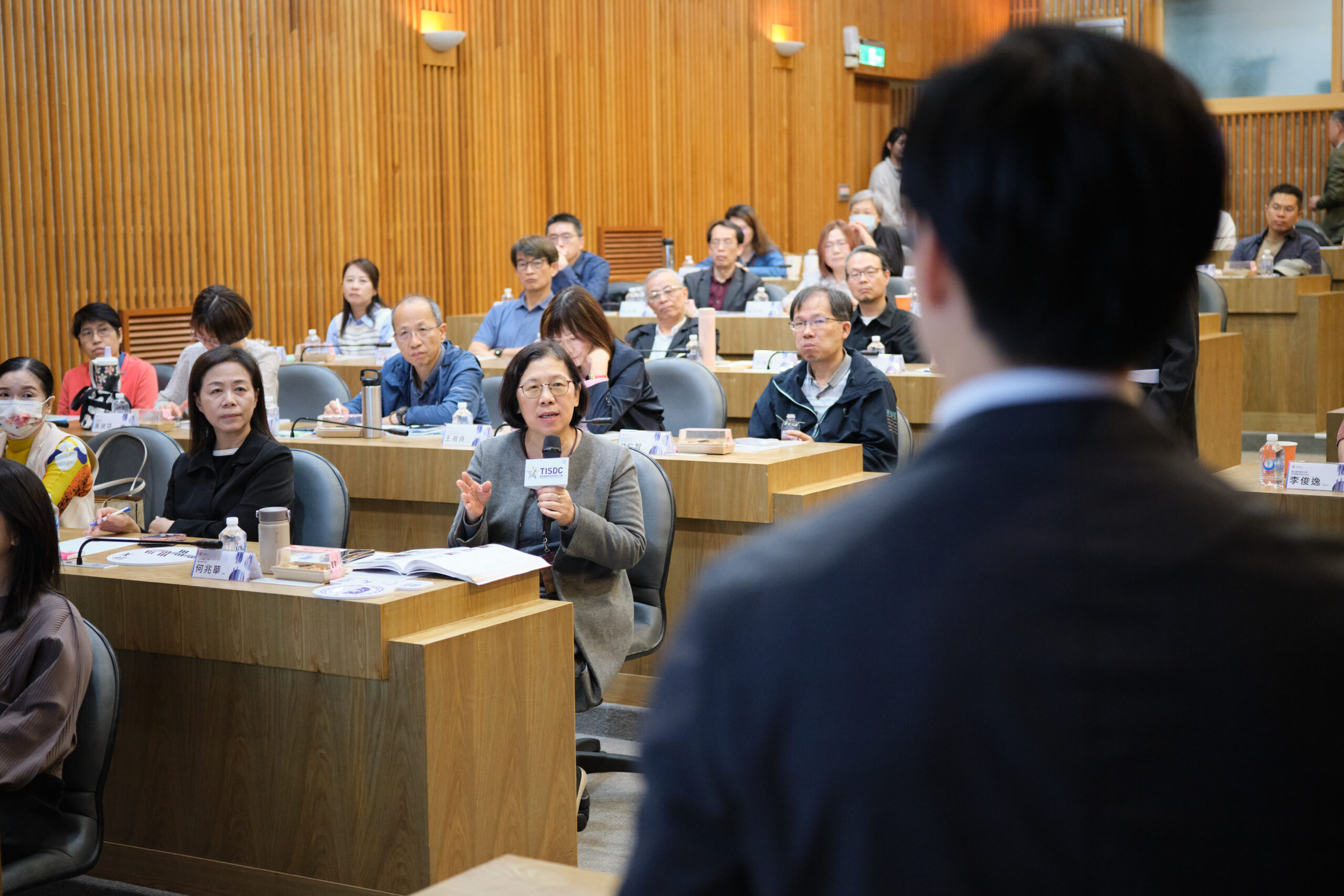
During the meeting, experts also provided recommendations on the competition’s evaluation mechanisms and promotion strategies. They emphasized the importance of strengthening connections with domestic and international design education systems, as well as enhancing the integrity of the competition framework and its international visibility. The integration of diverse professional insights will contribute to optimizing the competition structure and further elevating both the quality of submissions and overall impact.
Looking ahead, the Taiwan International Student Design Competition will continue to center on the theme of “Resilience,” encouraging young people worldwide to respond to contemporary challenges through design, stimulate innovation, and explore new possibilities in an ever-changing environment, thereby further expanding Taiwan’s influence in the global design arena.